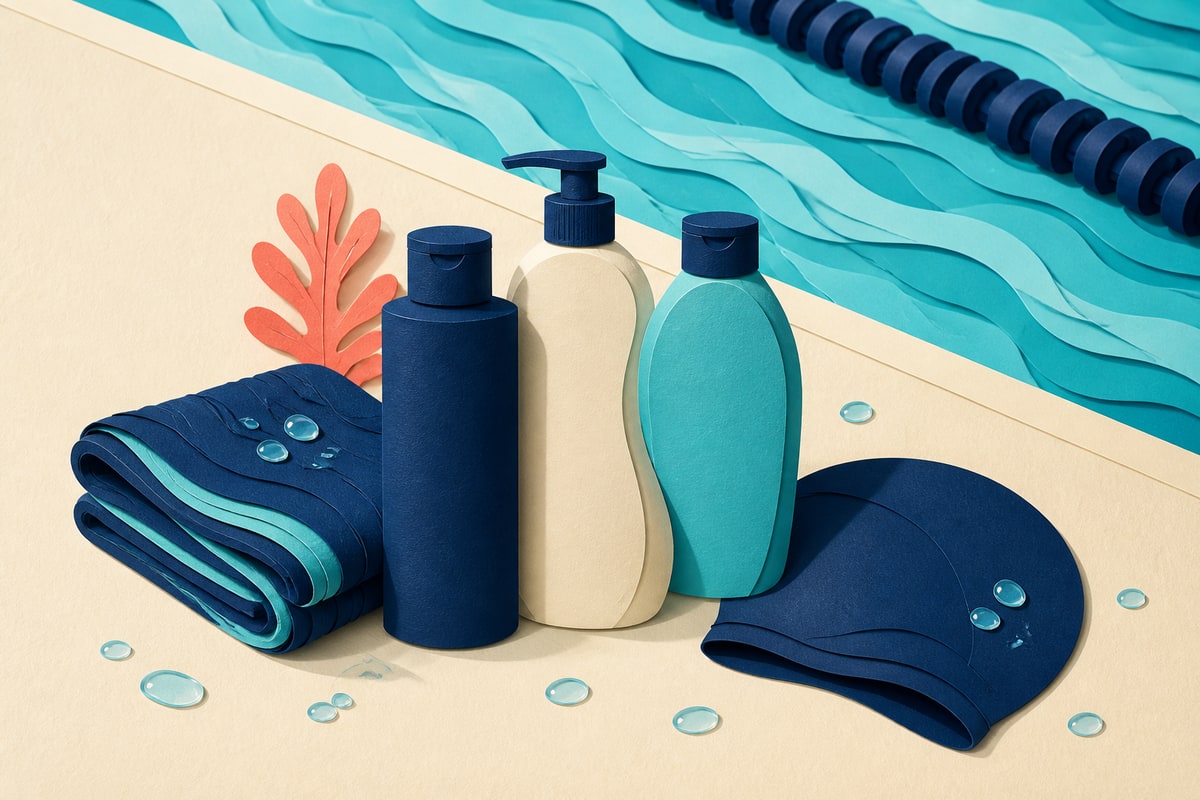
A long-hair cap needs enough crown volume to hold the hair without leaving a loose, water-catching bubble. The right material and shape matter more than the word “large” in a product title.
Quick answer
For regular training and racing, start with an extra-volume silicone cap. Silicone is durable, smooth, and usually easier on hair than latex. The cap should contain the bun or folded hair while the edge stays flat around the forehead, ears, and nape.
| Cap type | Best for | Tradeoff |
|---|---|---|
| Extra-volume silicone | Most long-hair lap swimmers | Can feel warm or tight |
| Standard silicone | Fine or moderately long hair | May pull upward over a large bun |
| Latex | Thin, responsive race fit | More hair pulling and lower durability |
| Fabric | Comfort and low pulling | More drag and water movement |
What “long-hair” construction changes
An extra-volume cap adds space at the crown or back rather than simply making the opening wider. That allows hair to sit in the cap while the lower edge remains secure.
Too little volume pushes the cap upward. Too much volume creates wrinkles and trapped water. A secure edge with a smooth crown is the goal.
How to put it on
- Detangle the hair and gather it low at the back of the head.
- Use a flat bun, braid fold, or loose coil rather than a high round knot.
- Hold the cap with both hands, front edge identified.
- Set the front edge on the forehead and stretch the cap back over the hair.
- Tuck loose sections with fingertips; do not pull with nails.
- Smooth large air pockets without repeatedly snapping the cap.
Some swimmers find a thin under-cap helpful, but two caps can add pressure. Practice the exact setup before a meet.
Material choices
Silicone
Silicone is the default recommendation for long hair because it stretches, lasts, and tends to slide over hair more easily than latex.
Best for: regular training, meets, and swimmers who need more volume.
Latex
Latex is thinner and can feel very secure, but it pulls hair more readily and tears sooner.
Best for: swimmers who already know they like a thin race fit.
Fabric
Fabric caps prioritize comfort. They are easy to put on but allow more water through and create more drag.
Best for: lessons, easy training, and swimmers who strongly dislike silicone or latex.
Meet-day pairing
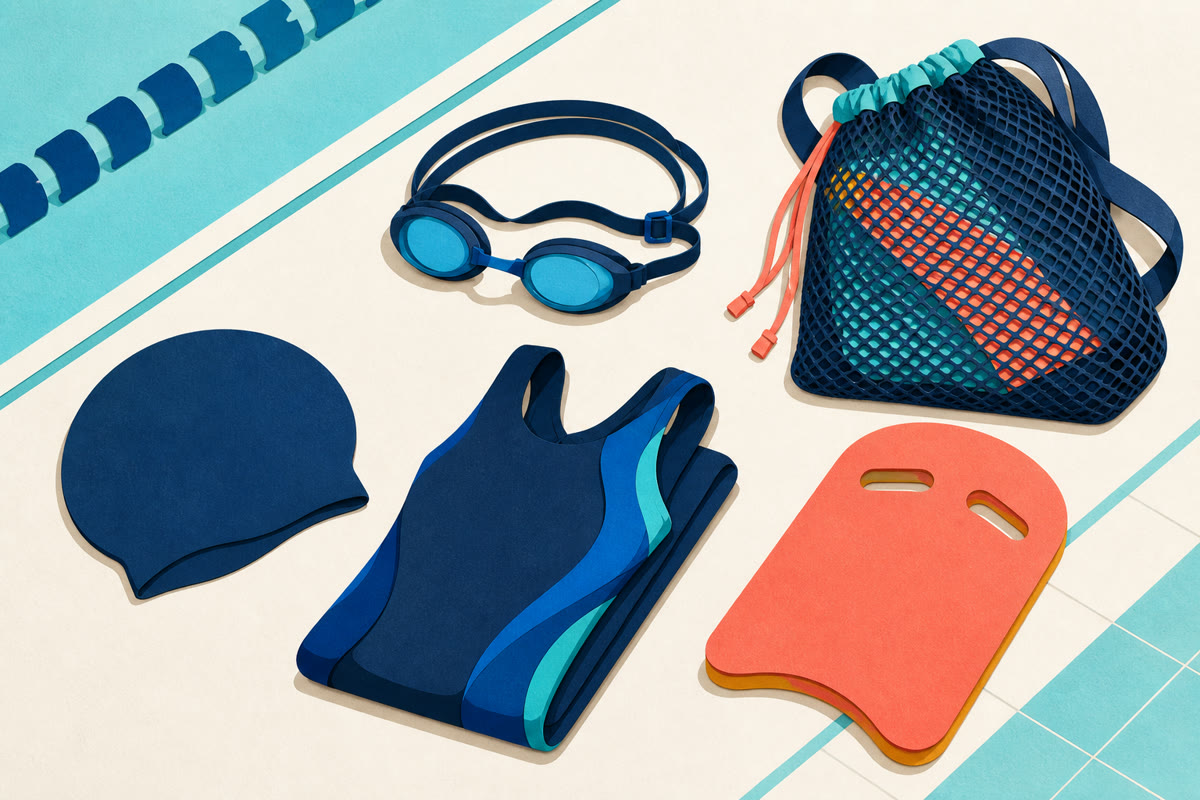
Test the cap with the exact competition goggles the swimmer will race in. Decide whether the goggle straps sit under or over the cap and keep the same routine.
Pack at least one spare cap in the swim bag. Add it to the meet checklist beside proven goggles and the regular race suit. After practice, the chlorine-shampoo guide explains how to match a cleanser to the swimmer’s hair and routine.
Bottom line
Choose a cap that adds volume where the hair actually sits while keeping a flat, secure edge. A practiced silicone setup beats an oversized cap that wrinkles or rides up. New meet families can put the whole routine in context with the first swim meet guide.
A note from Nikki
What I looked at
I compared cap materials, shapes, and extra-volume designs using manufacturer details and the fit demands of training and meets.
What can vary
I have not personally tested every cap listed. Hair texture, head shape, cap rules, and comfort vary, so verify the current size and material before buying.