The best tech suit is the one that fits the swimmer, the event, the meet rules, and the budget—not necessarily the most expensive suit on the rack.
That matters because tech suits are high-stakes purchases. They fit differently from practice suits, need careful handling, and may not be legal for every swimmer or every meet. A good choice should help a swimmer feel supported, streamlined, and race-ready. The wrong choice can feel restrictive, stressful, or simply not worth the money.
Quick answer: which tech suit should you choose?
Start with meet eligibility, then match the suit’s compression and mobility to the swimmer’s events and experience. Brand comes later.
| Swimmer or race need | What to prioritize | Suit type to consider |
|---|---|---|
| First tech suit | Manageable fit, flexible compression, lower complexity | FINIS Fuse or another entry-level racing suit |
| Sprint freestyle or butterfly | Firm structure, secure hips, strong compression | Speedo LZR Pure Intent or another sprint-oriented family |
| Breaststroke | Hip mobility and a comfortable kick range | Flexible Arena or other mobility-oriented models |
| IM swimmer | Balance of compression and range of motion | Versatile all-around suits |
| Distance swimmer | Sustainable compression and breathing comfort | Lighter, mobility-oriented suits |
| 12-and-under swimmer | Current USA Swimming and meet rules first | Do not buy until the exact model is confirmed legal |
| Experienced championship swimmer | Event-specific fit and a familiar compression level | TYR Venzo, Mizuno GX-Sonic, or other advanced families |
There is no universal winner. A suit that feels excellent for a sprinter may be distracting for a breaststroker or exhausting across a long meet session.
Compare the exact models before ordering
The SwimOutlet links above open these specific models. A women’s kneeskin and a men’s jammer are different cuts, so choose the cut first and compare compression within that group. These are specification-based starting points, not measured performance rankings.
| Linked model | Useful distinction | Check before spending |
|---|---|---|
| Arena Carbon Air2 women’s closed-back kneeskin | Lighter construction with shoulder and torso coverage | Closed-back fit and torso measurements; this link is not the open-back version |
| Speedo LZR Intent 2.0 men’s regular-rise jammer | Compressive layers and bonded seams | Waist rise, hip measurements, and comfort in a start position |
| TYR Venzo men’s high-waist jammer | Structured compression with a higher waist | Whether the higher rise and hip compression suit the swimmer |
| Mizuno GX-Sonic Royal Soft SF men’s jammer | The softer-compression Royal version, described for middle and longer distances | Royal SF sizing; it is not the older GX-Sonic V or another Royal variant |
Each of these pages listed an available variant when checked on September 22, 2026. That does not establish stock in your size. Amazon links labeled “Search Amazon” open broader results; match the full model name, cut, generation, seller, and return terms rather than choosing by the first image.
For a first suit, decide the total budget before comparing premium models. Include the possibility of a size exchange and leave room for ordinary race essentials. If an existing legal suit still fits securely, replacing it is optional. For 12-and-under swimmers, resolve eligibility with the coach or meet authority before building a shopping shortlist.
Before buying, check whether the suit is legal
This is the step families cannot afford to skip.
World Aquatics maintains an approved-swimwear resource for international competition. USA Swimming’s 2026 rulebook says no technical suit may be worn by a 12-and-under athlete at a sanctioned, approved, or observed meet, apart from the limited national-meet exceptions listed in the rulebook.
The rulebook defines a technical suit using construction details such as bonded or taped seams and certain woven fabrics extending past the hips. That means a marketplace title, an old approval logo, or a previous season’s list is not enough.
Before buying, match all four:
- the swimmer’s age;
- the exact suit model and construction;
- the meet packet or governing-body rules; and
- the current official approval information.
If anything is unclear, ask the coach or meet authority before removing tags or getting the suit wet.
What is a tech suit?
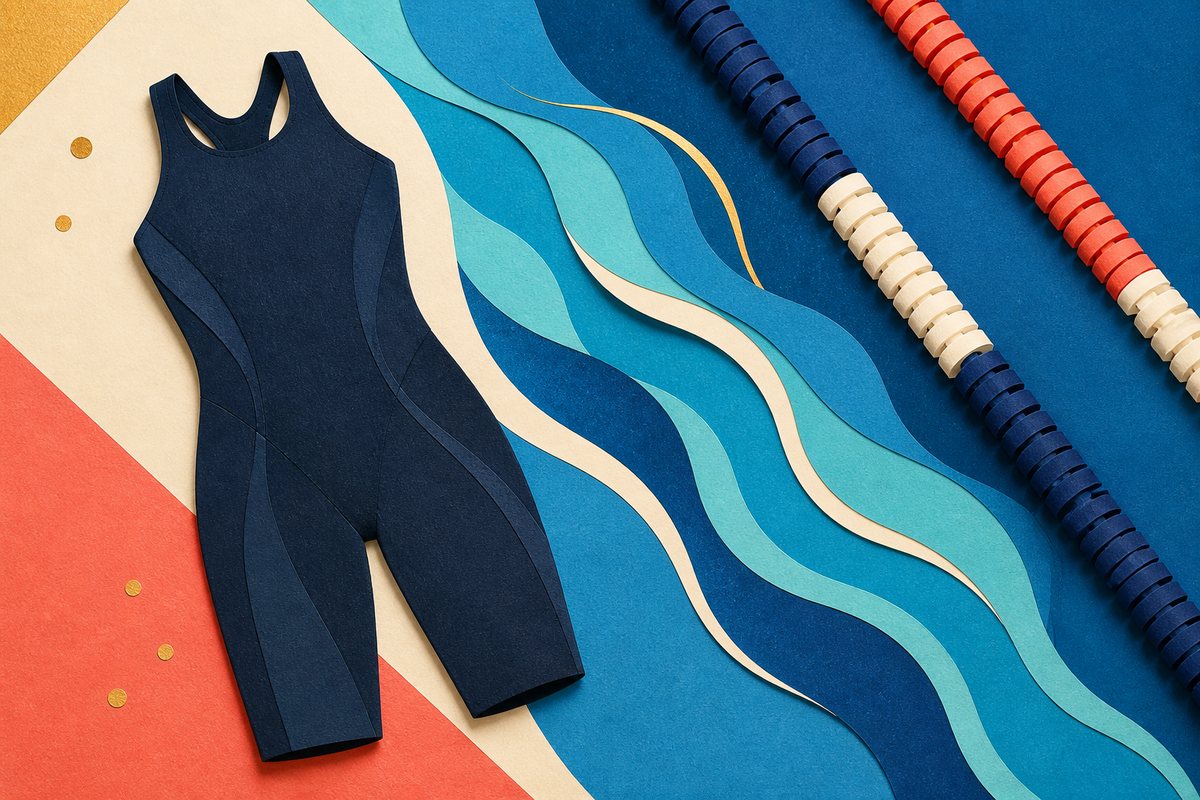
A tech suit is a racing swimsuit designed for competition rather than everyday training. Compared with a practice suit, it generally uses a tighter fit, compressive fabric, water-repellent treatment, and construction intended to reduce drag and support a streamlined body position.
It helps to separate three categories:
- Practice suit: durable and comfortable enough for repeated training.
- Entry-level racing suit: a more streamlined race-day option with a less extreme fit or price.
- Advanced tech suit: a championship-level suit with more specialized compression and construction.
Most swimmers do not need an advanced suit for every meet. Training, starts, turns, sleep, nutrition, and a calm race plan matter more than a label. Save the most delicate suit for races where the investment makes sense.
How to choose a tech suit

1. Start with the swimmer’s events
Different races ask different things from a suit.
- 50/100 free or fly: firmer compression and a more locked-in feel may suit an experienced sprinter.
- Breaststroke: hip mobility matters. If the suit fights the kick, it is the wrong suit.
- Backstroke: look for compression without limiting rotation, starts, or turns.
- Distance: comfort and breathing room matter because the effort lasts longer.
- IM: prioritize a balanced fit unless the swimmer already knows they want something specialized.
Event labels are only a starting point. The swimmer’s body proportions, preferred feel, and actual stroke mechanics still decide the fit.
2. Choose a realistic compression level
More compression is not automatically better.
High-compression suits can feel secure and race-specific, but they are harder to put on and can restrict movement when the fit is wrong. Moderate or flexible compression may be the better choice for a first-time buyer, a breaststroker, a distance swimmer, or anyone who gets distracted by an aggressive fit.
The suit should feel deliberate and supportive while still allowing the swimmer to breathe, bend into a legal start, rotate, kick, and focus on racing.
3. Fit matters more than the logo
A well-fit mid-tier suit is a smarter purchase than an elite suit that does not match the swimmer’s body.
Look for:
- smooth compression without major folds or bunching;
- secure hips, waist, straps, and leg openings;
- no gapping at the chest, back, or waist;
- full stroke, kick, start, and turn range;
- no numbness, sharp pain, or severe breathing restriction; and
- legal coverage when the swimmer moves.
Use the exact model’s current size chart. Practice-suit size does not reliably convert to tech-suit size, and sizing down simply because a suit is “supposed to be tight” can damage the suit or make it unusable.
4. Match the investment to the moment
Tech suits are race-day tools. A developing swimmer may be better served by an entry-level suit and lower-stress fitting process. A swimmer chasing championship cuts may get more value from an advanced model if they already know which compression and construction they prefer.
The practical question is not “What is the fastest suit?” It is “What is the right legal suit for this swimmer at this meet?”
Tech suit families worth comparing
Use these suit families as starting points, not as a universal ranking. Product generations and approval status change, so verify the exact model before buying.
| Suit family | Typical feel | May suit | Main caution |
|---|---|---|---|
| Arena Powerskin Carbon Air2 | Lighter compression and mobility | IM, distance, multi-event swimmers | Confirm the swimmer still gets enough structure |
| Speedo LZR Pure Intent 2.0 | Firmer, race-focused compression | Experienced sprint-oriented swimmers | Demanding fit and multiple versions |
| TYR Venzo | Structured compression and support | Experienced athletes who prefer a locked-in feel | Confirm mobility through the hips and stroke |
| FINIS Fuse | Flexible, introductory technical suit | First-time buyers and developing competitors | Verify the exact construction and age-group rules |
| Mizuno GX-Sonic | Specialized models with different race feels | Experienced swimmers who know their preferences | Version, sizing, import, and return complexity |
Arena Powerskin Carbon Air2: mobility-oriented all-around option
Arena describes the Carbon Air2 around lighter compression, one-piece construction, and a lining designed for freedom of movement. It may suit IM, distance, and multi-event swimmers or anyone who dislikes a very rigid feel.
Best for: swimmers prioritizing flexibility, comfort across several events, and a less aggressive race feel.
Watch for: whether its lighter structure matches the swimmer’s preference, plus exact size, back style, approval, and return terms.
Speedo LZR Pure Intent 2.0: firmer race compression
Speedo positions the LZR Pure Intent 2.0 with compressive layers, bonded seams, flexible zones, and textured fabric areas. It is a logical family to compare when an experienced swimmer wants more structure for sprint-focused racing.
Best for: experienced sprinters who already know they prefer firm compression.
Watch for: open-back versus closed-back or jammer variations, the exact generation, sizing, and whether the swimmer can maintain full movement and breathing.
TYR Venzo: structured support for experienced swimmers
TYR describes the Venzo family around a compression cage, streamlined shell, and support across the core and legs. It belongs on the shortlist for experienced swimmers comparing a more locked-in feel.
Best for: swimmers who have worn tech suits before and want structured compression.
Watch for: comfort through the hips and shoulders, the exact Venzo version, legal status, and whether the construction suits the swimmer’s stroke.
FINIS Fuse: sensible first technical suit
FINIS’s current reference material describes the Fuse as balancing flexibility and compression. It can be a sensible first tech suit for a swimmer who wants a manageable fit before moving to more specialized construction.
Best for: first-time tech-suit buyers, developing competitors, and swimmers who value range of motion.
Watch for: the exact adult or junior model, bonded versus sewn construction, the swimmer’s age, and current meet eligibility.
Mizuno GX-Sonic: specialized option that needs extra research
GX-Sonic listings span different generations and versions. That variety can appeal to experienced swimmers, but it also makes casual comparison risky.
Best for: swimmers who already understand their fit and event needs and are prepared to research the exact version.
Watch for: model generation, seller, import availability, size conversion, return policy, and current approval status. Do not treat every GX-Sonic listing as interchangeable.
How should a tech suit fit?
Measure first and follow the manufacturer’s chart for that exact model. Depending on the suit, the useful measurements may include chest, waist, hips, inseam, and torso loop. Do not rely on age alone or copy a teammate’s size.
Once the suit is on, check:
- Breathing: the swimmer can take a full breath without sharp restriction.
- Hips and kick: breaststroke and dolphin-kick motion are not blocked.
- Shoulders and straps: secure, but not causing numbness or severe pain.
- Leg openings and waist: snug without rolling, gapping, or cutting dangerously into the skin.
- Start position: the swimmer can bend and hold a legal start comfortably.
- Fabric: no severe distortion, overstretched seams, or transparent stress areas.
A tech suit can take time to put on, but pain and loss of movement are not proof of a performance fit.
How to put it on without damaging it
Start with a completely dry swimmer and suit, remove jewelry, and work the fabric upward in small sections using finger pads near reinforced seams. Fully position the legs and hips before touching the straps, and never use a waistband or strap as a handle.
Use the full step-by-step tech-suit dressing guide for separate kneeskin and jammer instructions, a fit safety check, meet-day timing, and after-race care.
Read the return policy before the first try-on. Many technical suits cannot be returned after tags are removed, the suit is worn in water, or hygiene liners are disturbed.
How long does a tech suit last?

There is no honest universal race count. Lifespan depends on the fabric and seams, how often the suit is worn, how carefully it is put on, pool exposure, and storage.
To preserve it:
- rinse it promptly in cool, clean water;
- do not machine wash, tumble dry, iron, bleach, or wring it out;
- press out water gently and air dry it flat away from direct heat and sunlight;
- keep it away from Velcro, rough pool decks, and sharp objects;
- do not leave it wet in the swim bag; and
- save it for important racing rather than normal practice.
The suit may be past its best racing life when it absorbs noticeably more water, loses compression, develops stretched or thinning areas, or no longer fits securely. An older suit can still serve as a backup if it remains intact and legal.
Common tech suit mistakes
Buying by brand alone
Brand reputation narrows the field; it does not guarantee fit. Every major manufacturer offers constructions that work well for some swimmers and poorly for others.
Choosing the smallest possible size
Tight is expected. Numbness, sharp pain, blocked breathing, or an unusable kick are not. Over-sizing down also raises the risk of damaging an expensive suit.
Skipping the exact-model rule check
A legal model name in one generation does not automatically make every version legal. This matters especially for 12-and-under swimmers and meets with specific uniform rules.
Ignoring the return policy
Retailer listings may involve different sellers and return terms. Confirm the seller, exact model, tags, hygiene rules, and return window before trying the suit on.
Waiting until championship morning
Try the suit on ahead of time, practice the dressing process, and learn how long it takes. Race day should not be the first test of breathing, mobility, or straps.
Changing every piece of gear at once
New suit, new competition goggles, and a new cap can create three new failure points. Race in goggles and a cap that have already stayed secure in practice.
Tech suit FAQ
Are tech suits worth it?
They can be worthwhile for championship racing when the swimmer is ready for the fit and the suit is legal. They are usually unnecessary for normal practice or low-priority meets.
What is the best tech suit overall?
There is no universal best. The right model depends on the swimmer’s event, body proportions, compression preference, experience, budget, and meet rules.
What is the best tech suit for sprinters?
Experienced sprinters often compare firmer, more structured suits such as the Speedo LZR Pure Intent family or specialized Mizuno models. Fit and movement still matter more than the category label.
What is the best tech suit for breaststroke?
Prioritize hip mobility and an unrestricted kick. Arena’s Carbon Air2 is one mobility-oriented option, but the correct answer depends on the swimmer’s body and preferred compression.
Can 12-and-under swimmers wear tech suits?
USA Swimming restricts technical suits for 12-and-under athletes at sanctioned, approved, or observed meets, with limited exceptions. Check the current rulebook, meet packet, and exact suit construction before buying.
Should a beginner buy a tech suit?
A beginner does not need the most expensive option. If a racing suit is appropriate and legal, an entry-level model such as the FINIS Fuse can be a more manageable first comparison.
Do you wear another swimsuit underneath?
Follow the governing rules and manufacturer guidance. A racing suit is generally designed to be worn as the competition suit, and layering can change fit, create drag, or violate meet rules.
Race-day checklist
- Confirm the exact suit is legal for the swimmer and meet.
- Pack it dry and protected from sharp objects.
- Bring the normal race suit as a backup.
- Allow plenty of dressing time.
- Recheck breathing, movement, and coverage.
- Ask the coach when to put it on and whether to change between sessions.
- Rinse and dry it correctly after racing.
Use the full swim-meet packing checklist so the suit is only one part of a calm plan. If this is a swimmer’s first major competition, start with the first swim meet guide.
Bottom line
The best tech suit is an eligible model that fits the swimmer, supports the events, matches the budget, and can be used without adding chaos to race day.
Start with rules, fit, event, and experience. Then compare suit families. A manageable, well-fit model is a smarter buy than an expensive suit that restricts the swimmer or never makes it past the meet official.
A note from Nikki
What I looked at
This is a researched comparison using official rule resources and manufacturer specifications. The four linked SwimOutlet models and their listed availability were checked on September 22, 2026; the comparison identifies each cut and generation.
What can vary
These recommendations are not a hands-on test or a promise of faster times. Approval, age-group eligibility, product generations, size availability, and return terms can change. Amazon searches can mix generations and sellers; compare the exact model before ordering.
Sources
- World Aquatics approved swimwear
- USA Swimming rules and policies
- USA Swimming 2026 mini rulebook
- Arena Powerskin Carbon Air2
- Speedo Fastskin LZR Pure Intent 2.0
- TYR Venzo technical suits
- FINIS 2026 tech-suit reference guide
- Arena Carbon Air2 closed-back model specifications
- Speedo LZR Intent 2.0 jammer specifications
- TYR Venzo high-waist jammer specifications
- Mizuno GX-Sonic Royal Soft SF specifications